
Smart Vintage Scan
Discover True Value
Analyzing catalog...
Smart Vintage Scan
Discover True Value
Analyzing catalog...
August 4, 2026
Smart Vintage's AI reads what's in front of the camera — nothing more. Before you worry about lighting setups or expensive equipment, focus on the four things that actually move your confidence score.
Start with one clean, well-lit photo of the entire item from a neutral angle. Then add 2–3 close-ups of anything a specialist would look at: maker's marks, hallmarks, signatures, joinery, glaze crackle, or wear patterns. A blurry overview photo and a sharp mark close-up will always beat four mediocre wide shots.
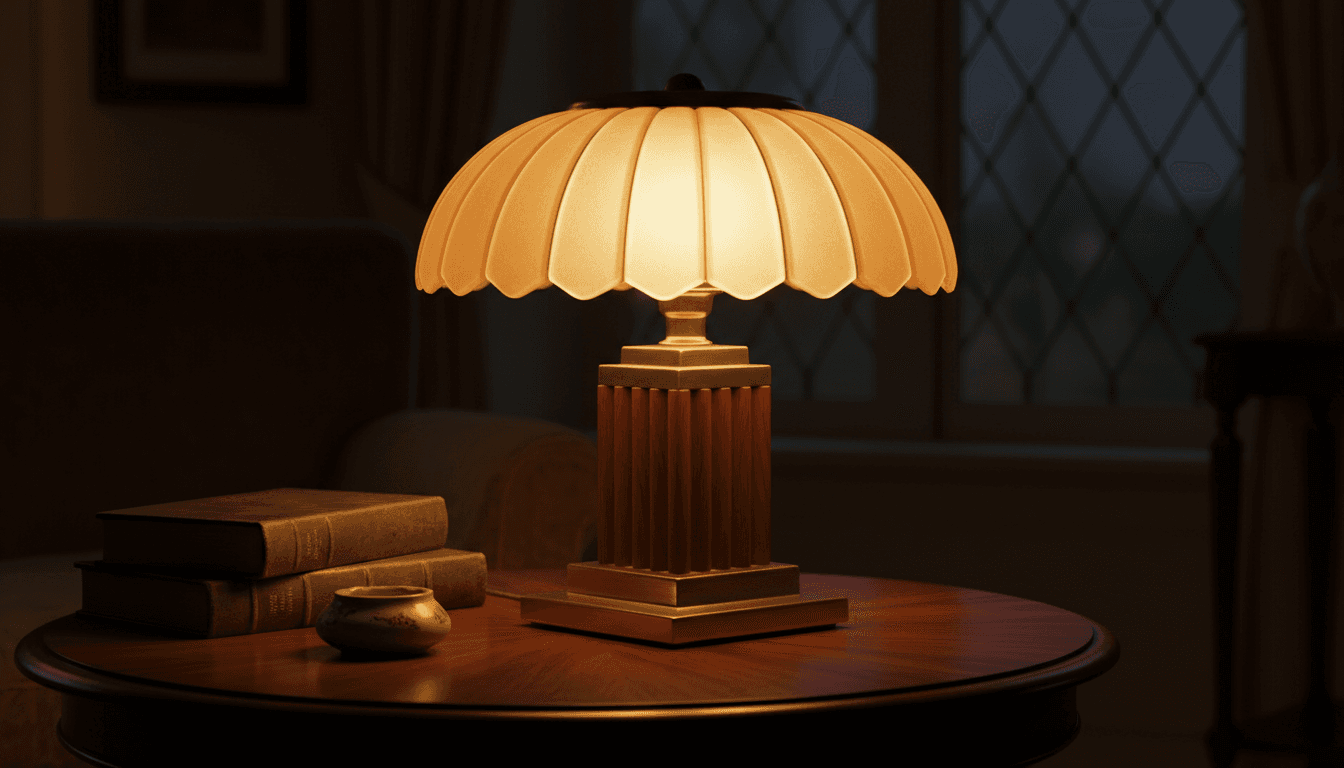
Diffused daylight near a window is the easiest free light source. Direct, on-camera flash flattens texture and blows out reflective surfaces like glass, silver, and glossy porcelain — exactly the surfaces where authenticity details live. If you must shoot indoors at night, bounce a lamp off a wall or ceiling rather than pointing it straight at the object.
Get close enough that the item fills most of the photo — cropping out clutter helps the model focus on the object instead of guessing where it ends. A plain surface (a table, a sheet of paper, a neutral wall) works better than a busy backdrop.
For items where size affects value — furniture, rugs, statuary — include one photo with a common object (a ruler, a coin, a hand) for scale. The AI can estimate proportions from the photo alone, but an explicit scale reference removes the guesswork.
If your report comes back with a lower confidence score or a "Needs Expert" verdict, it's often not that the item is unclear — it's that the photos didn't show the diagnostic details a human appraiser would ask for. Try re-shooting with a close-up of any mark, signature, or unusual construction detail before assuming the item itself is the problem.